Tesamorelin
Tesamorelin is a synthetic analog of human growth hormone-releasing factor (GHRF) composed of a 44–amino acid sequence, engineered to be more resistant to enzymatic degradation. It is evaluated in controlled laboratory research for its ability to bind and activate GHRH receptors, thereby modulating pituitary release of growth hormone and downstream insulin-like growth factor 1 (IGF-1) signaling. Investigations often focus on its role in metabolic regulation, endocrine pathway modulation, and body composition modeling within in vitro or ex vivo systems. This material is supplied strictly for qualified scientific research and is not approved for human or veterinary administration, diagnostic purposes, or therapeutic use.
For laboratory research use only. Not for human or veterinary use. Not intended for diagnostic, therapeutic, or clinical applications.
Purchase Options
Tesamorelin
Form: Scientific-grade, Lyophilized Powder
Purity: ≥99%
CAS Number: 218949-48-5
Tesamorelin is a synthetic peptide analog of growth hormone-releasing factor (GHRF), studied for its effects on IGF-1 levels and metabolic regulation in controlled research settings. Not for human or veterinary use.
Shipping & Delivery
- 📦 UPS Ground (US): $15.00 — 5 business days
- 🚚 UPS 3 Day Select® (US): $20.00 — 3 business days
- 🚚 UPS 2nd Day Air® (US): $25.00 — 2 business days
- 🆓 Free Shipping (US): Orders $200.00+ ship free
- 🌍 International Tracked: $24.95–$45.00 based on region
- 🎁 Free International Shipping: Orders $300+ qualify
Recommended Add-Ons
- 💎 Cold Pack Protection: +$5.00 (Keeps sensitive items stable in transit)
- 🔐 Shipping Insurance: +$3.50 flat — Protects against loss or damage
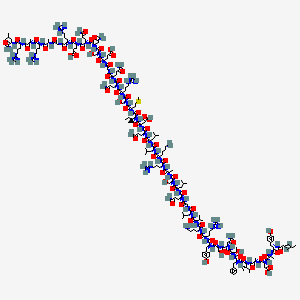
Chemical Structure & Identifiers
Tesamorelin is a synthetic stabilized analog of Growth Hormone Releasing Hormone (GHRH), under active investigation for endocrine and metabolic research. It is FDA-approved under the trade name Egrifta® for reducing excess abdominal fat in HIV-related lipodystrophy but is provided here strictly for non-clinical, scientific research use only. Use is limited to qualified investigators in laboratory settings.
Mechanism of Action
Tesamorelin is a synthetic analog of the endogenous peptide growth hormone-releasing hormone (GHRH), consisting of 44 amino acids. It is engineered for enhanced stability and half-life, making it a research tool for studying growth hormone (GH) axis regulation, lipolytic pathways, and hypothalamic-pituitary interactions. Its mechanisms of action, as observed in preclinical and clinical models, include:
- GHRH Receptor Activation: Tesamorelin binds selectively to GHRH receptors on pituitary somatotroph cells, stimulating the synthesis and pulsatile secretion of endogenous human growth hormone (hGH). This cascade mimics natural hypothalamic signaling and maintains feedback-regulated GH dynamics.
- Stimulation of IGF-1 Production: As GH levels rise, hepatic and peripheral production of insulin-like growth factor 1 (IGF-1) increases. IGF-1 serves as a primary mediator of GH’s anabolic and metabolic effects, including cell growth, protein synthesis, and lipid metabolism.
- Enhanced Lipolysis and Visceral Fat Reduction: GH and IGF-1 enhance the breakdown of triglycerides via activation of hormone-sensitive lipase and reduction of lipoprotein lipase activity in adipose tissue. Tesamorelin is under investigation for its role in reducing visceral adipose tissue (VAT), particularly in metabolic and endocrine research models.
- Neuroendocrine Axis Modulation: Research has explored Tesamorelin's potential in modulating hypothalamic-pituitary axis activity, influencing not just GH release but also downstream hormonal rhythms and feedback loops involving cortisol, insulin, and thyroid hormones.
- Stability Through Structural Modifications: The peptide includes a trans-3-hexenoic acid moiety at the N-terminal to resist proteolytic cleavage and prolong biological activity. This enhancement allows more sustained GH stimulation relative to natural GHRH.
Tesamorelin’s mechanistic profile makes it a valuable peptide for laboratory research exploring endocrine signaling, metabolic homeostasis, and body composition regulation. It is not intended for clinical use or therapeutic application outside controlled investigational settings.
Clinical Development & Research Focus
Tesamorelin is the subject of advanced research in the fields of endocrinology, metabolism, and age-related body composition disorders. Initially developed to manage lipodystrophy associated with HIV, Tesamorelin is now explored for its broader metabolic and anabolic effects, particularly in regulated GH axis modulation. Its clinical development includes both formal pharmaceutical trials and controlled non-clinical investigations.
- HIV-Associated Lipodystrophy: Tesamorelin is FDA-approved for reducing excess abdominal fat in HIV-infected patients with lipodystrophy. Clinical trials demonstrated its efficacy in decreasing visceral adipose tissue (VAT) and improving metabolic markers without significantly altering subcutaneous fat.
- GH Deficiency & Endocrine Studies: It is frequently used in research exploring adult-onset growth hormone deficiency, pituitary function evaluation, and downstream IGF-1 regulation mechanisms.
- Aging & Body Composition: Tesamorelin is being investigated in geriatric studies focusing on sarcopenia, abdominal obesity, and muscle loss. Researchers are examining its effects on lean body mass preservation, visceral fat modulation, and functional capacity.
- Metabolic Syndrome & NAFLD: Emerging research explores Tesamorelin’s potential role in mitigating non-alcoholic fatty liver disease (NAFLD) and insulin resistance, given its impact on lipid oxidation and hepatic fat accumulation.
- Neuroendocrine Feedback Studies: In academic models, Tesamorelin serves as a tool to dissect hypothalamic-pituitary feedback loops and understand hormonal cascade effects in both health and disease states.
While Tesamorelin holds approved clinical applications, the research-grade compound offered here is intended strictly for controlled laboratory investigations and is not intended for therapeutic use in humans or animals.
Guidelines for Experimental Use
Tesamorelin is provided exclusively for in vitro research and analytical laboratory use. It is not intended for human ingestion, clinical diagnostics, therapeutic interventions, or veterinary applications. Use is restricted to qualified scientific personnel operating within controlled laboratory environments and in full compliance with institutional safety protocols.
Appropriate personal protective equipment (PPE)—including gloves, goggles, and lab coats—must be worn at all times when handling this compound. Experiments should be conducted in well-ventilated workspaces using standard chemical hygiene practices.
Researchers are strongly advised to consult the relevant Safety Data Sheet (SDS), follow Good Laboratory Practice (GLP) standards, and adhere to all local, national, and international regulations governing the handling and disposal of experimental peptides.
Key Scientific References
For a deeper understanding of Tesamorelin and its research and clinical applications, please consult the following peer-reviewed publications and scientific resources:
- Falutz J, et al. “Reduction in visceral adipose tissue with Tesamorelin in HIV-infected patients with abdominal fat accumulation.” New England Journal of Medicine. 2010;362(6): 518–527. PMID: 20071544
- Guaraldi G, et al. “Efficacy and safety of Tesamorelin for the treatment of excess abdominal fat in HIV-infected patients.” Expert Opin Drug Metab Toxicol. 2011;7(6): 769–779. PMID: 21715517
- Dube MP, et al. “Effects of Tesamorelin on inflammatory markers associated with cardiovascular disease.” J Clin Endocrinol Metab. 2013;98(6): 2555–2564. PMID: 23807186
- PubChem Compound Summary: Tesamorelin (CID 9940251)
- FDA Label for Tesamorelin (Egrifta™) – Full Prescribing Information
- ClinicalTrials.gov: Tesamorelin for HIV-associated Lipodystrophy (NCT01298837)
Note: Tesamorelin is FDA-approved under the trade name Egrifta® for reducing excess abdominal fat in HIV-infected patients with lipodystrophy. Its mechanism and effects are actively studied in metabolic disorders, aging, and endocrinology research.
Important Compliance Statement
This product, Tesamorelin, is sold exclusively for **research and development purposes**. It is classified as a research chemical and is **not a drug, food, or cosmetic**. It has not been evaluated or approved by the FDA or any other regulatory authority for safety, efficacy, or any other use in humans or animals. By purchasing this product, the user acknowledges and agrees to comply with all applicable local, national, and international laws and regulations regarding the handling, storage, and use of research compounds. Any use of this product for purposes other than legitimate scientific research is strictly prohibited and may lead to severe legal and health consequences.
Analytical Validation & Documentation (COA, HPLC, MS)
Each production lot is subjected to rigorous analytical validation to confirm quality, purity, and molecular identity under research-grade standards. Full supporting documentation is available upon request.
- COA (Certificate of Analysis): Includes batch number, purity percentage, traceability of each constituent ingredient, storage instructions, and full QC test results.
- HPLC (High-Performance Liquid Chromatography): Provides chromatographic confirmation of purity and compound homogeneity.
- MS (Mass Spectrometry): Confirms molecular weight and verifies structural integrity of the compound.
- Traceability: Documents are traceable to their respective manufacturing lot and are intended to support reproducibility and transparency in scientific investigation.


Displayed above: Sample Certificate of Analysis – AOD-9604 (3-page image preview)
Storage & Shipping
All of our products are manufactured using the Lyophilization (Freeze Drying) process, which ensures stability during transit and long-term storage. Below are the official recommendations:
- Stability During Shipping: Products are 100% stable for shipping for up to 3–4 months at ambient temperature.
- After Reconstitution: Once reconstituted with bacteriostatic water, the peptide must be stored in a refrigerator and will remain stable for up to 30 days.
- Room Temperature Storage: Lyophilized powder can be safely stored at room temperature until reconstitution, provided it remains sealed and protected from light.
- Refrigerated Storage (Short Term): Store under 4°C (39°F) if not used immediately. Suitable for storage up to several weeks or months.
- Frozen Storage (Long Term): For extended stability (months to years), store in a freezer at -80°C (-112°F).
Note: Avoid repeated freeze-thaw cycles. Always aliquot after reconstitution when necessary. Follow institutional safety protocols for handling all research compounds.
For advanced storage tips and reconstitution guidance, contact us or refer to our extended documentation.