Palmitoyl Tetrapeptide-7
Research Peptide Compound – Supplied for Laboratory Use Only
Palmitoyl Tetrapeptide-7 is a synthetic lipopeptide composed of a palmitoyl fatty acid chain covalently linked to a tetrapeptide sequence (Gly–Gln–Pro–Arg) to enhance lipophilicity, membrane affinity, and bioavailability in cell culture models. In controlled in vitro research, it is investigated for its capacity to modulate cytokine-mediated signaling pathways, support extracellular matrix homeostasis, and influence protein expression patterns associated with inflammation and tissue remodeling. Experimental applications often include studies on aging biomarkers, peptide–receptor binding dynamics, and extracellular signaling networks. This compound is supplied exclusively for qualified laboratory research purposes and is not approved for human or veterinary administration, diagnostic procedures, or therapeutic application.
For laboratory research use only. Not for human or veterinary use. Not intended for diagnostic, therapeutic, or clinical applications.
Purchase Options
Palmitoyl Tetrapeptide-7
Form: Scientific-grade, Lyophilized Powder
Purity: ≥99%
CAS Number: 221227-05-0
Palmitoyl Tetrapeptide-7 is a research-use-only peptide under investigation for its potential roles in modulating inflammatory cytokines, regulating skin homeostasis, and supporting extracellular matrix function in non-clinical models.
Shipping & Delivery
- 📦 UPS Ground (US): $15.00 — 5 business days
- 🚚 UPS 3 Day Select® (US): $20.00 — 3 business days
- 🚚 UPS 2nd Day Air® (US): $25.00 — 2 business days
- 🆓 Free Shipping (US): Orders $200.00+ ship free
- 🌍 International Tracked: $24.95–$45.00 based on region
- 🎁 Free International Shipping: Orders $300+ qualify
Recommended Add-Ons
- 💎 Cold Pack Protection: +$5.00 (Keeps sensitive items stable in transit)
- 🔐 Shipping Insurance: +$3.50 flat — Protects against loss or damage
Chemical Structure & Identifiers
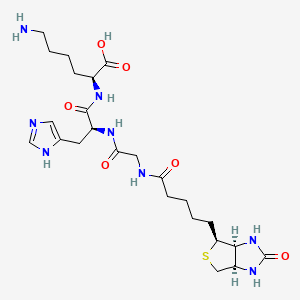
Biotinoyl Tripeptide-1 is provided for non-clinical research applications involving protein-peptide interactions, cellular proliferation studies, and biochemical modeling. Not for diagnostic, therapeutic, or in vivo use.
Mechanism of Action
Palmitoyl Tetrapeptide-7 is a synthetic peptide extensively studied in cosmetic and dermatological research for its potential role in modulating skin's inflammatory response and supporting its structural integrity. Its mechanism of action primarily involves interfering with specific cellular signaling pathways, particularly those related to the inflammatory cascade and extracellular matrix (ECM) turnover.
- Inflammatory Cytokine Modulation: The peptide is believed to suppress the production of certain inflammatory mediators, such as interleukins (e.g., IL-6), that contribute to skin inflammation and degradation of the ECM. By reducing these pro-inflammatory signals, Palmitoyl Tetrapeptide-7 can help mitigate skin damage and aging processes caused by chronic low-grade inflammation (inflammaging).
- Extracellular Matrix Support: Although often studied in conjunction with Palmitoyl Tripeptide-1 (as part of Matrixyl 3000), Palmitoyl Tetrapeptide-7 itself contributes to maintaining the integrity of the ECM. It may signal fibroblasts to synthesize and organize collagen and other structural proteins, thereby supporting skin firmness and elasticity. This action is complementary to its anti-inflammatory effects, as inflammation often accelerates ECM breakdown.
- Tissue Repair Signaling: By mimicking natural peptides that arise during tissue breakdown, Palmitoyl Tetrapeptide-7 can potentially trigger the skin's natural repair mechanisms, encouraging a healthier and more resilient tissue response.
Through these mechanisms, Palmitoyl Tetrapeptide-7 is investigated for its potential to reduce the visible signs of aging, calm irritated skin, and promote a more robust skin barrier in research applications.
Research Applications & Clinical Focus
Palmitoyl Tetrapeptide-7 is a significant subject of **preclinical and cosmetic research** due to its potential benefits for skin health and anti-aging. Research primarily focuses on its topical application and efficacy within various dermatological contexts.
- Anti-Aging Formulations: Widely incorporated into anti-aging creams and serums, research evaluates its effectiveness in reducing the appearance of wrinkles, fine lines, and improving skin elasticity and firmness, often in combination with other peptides like Palmitoyl Tripeptide-1.
- Inflammation Management: Studies investigate its ability to mitigate skin inflammation, redness, and irritation, making it relevant for research into sensitive or reactive skin conditions.
- Skin Barrier Function: Research explores its role in strengthening the skin's natural barrier, enhancing its resilience against environmental stressors.
- Post-Procedure Recovery: Some studies consider its potential for use in formulations designed to support skin recovery after cosmetic procedures by reducing inflammation and promoting healing.
It is important to note that while prevalent in cosmetic products, formal, large-scale pharmaceutical-grade clinical trials (e.g., for drug approval) are not typically conducted for cosmetic ingredients. Research focuses on demonstrating efficacy and safety for cosmetic purposes within controlled studies.
Guidelines for Experimental Use
Palmitoyl Tetrapeptide-7 is strictly intended for **laboratory research purposes only**. It should be handled by qualified personnel in a controlled environment, adhering to all applicable safety protocols and guidelines for research chemicals. This product is **not approved for human consumption, therapeutic use, or veterinary application**. It is solely for scientific investigation and analysis in a research setting. Proper laboratory safety equipment and procedures must be employed during its handling and experimental application.
Storage and Handling Recommendations
For optimal stability and preservation of Palmitoyl Tetrapeptide-7, observe the following recommendations:
- Storage: Store lyophilized powder at -20°C to -80°C (long-term) or 2°C to 8°C (short-term, for up to 2-4 weeks), away from light and moisture.
- Reconstitution: Reconstitute with sterile, deionized water or a suitable solvent as per specific experimental protocols. Avoid repeated freeze-thaw cycles.
- Manejo Handle under aseptic conditions to prevent contamination. Use appropriate personal protective equipment (PPE), including gloves and eye protection.
- Stability: Once reconstituted, solutions should be stored at 2°C to 8°C and used within a short period, typically 24-72 hours, depending on the solvent and concentration. Long-term storage of reconstituted solutions is not recommended.
- Disposal: Dispose of Palmitoyl Tetrapeptide-7 and any waste materials in accordance with local and institutional hazardous waste regulations.
Strict adherence to these guidelines will help maintain the integrity and purity of the compound for research applications.
Key Scientific References
Further information on Palmitoyl Tetrapeptide-7 and related research can be found in the following scientific literature:
- A new approach to wrinkle treatment: the tripeptide GHK and its copper complex: Plast Reconstr Surg, PMID: 15647565 (Provides context on peptides for skin, often discussed with Pal-Tetrapeptide-7)
- Cosmetic peptides: an updated review: J Cosmet Dermatol, PMID: 24707168 (General review on cosmetic peptides, including types involved in anti-inflammatory processes)
- Peptides in cosmetology: a comprehensive review: J Cosmet Dermatol, PMID: 25553147 (Another broad review discussing peptides used in cosmetic applications for anti-aging and skin health)
- PubChem Compound Summary: Palmitoyl Tetrapeptide-7 (CID 16124484)
*(Note: Direct PubMed references for specific Palmitoyl Tetrapeptide-7 efficacy studies are provided where available; broader reviews on skin-rejuvenating and anti-inflammatory peptides are also included for context.)*
Important Compliance Statement
This product, Palmitoyl Tetrapeptide-7, is sold exclusively for **research and development purposes**. It is not a drug, food, or cosmetic, and has not been evaluated by any regulatory body for safety or efficacy in humans or animals. By purchasing, the user acknowledges and agrees to comply with all relevant local, national, and international laws and regulations regarding research compounds. Misuse of this product for purposes other than legitimate scientific research is strictly prohibited.
Analytical Validation & Documentation (COA, HPLC, MS)
Each production lot is subjected to rigorous analytical validation to confirm quality, purity, and molecular identity under research-grade standards. Full supporting documentation is available upon request.
- COA (Certificate of Analysis): Includes batch number, purity percentage, traceability of each constituent ingredient, storage instructions, and full QC test results.
- HPLC (High-Performance Liquid Chromatography): Provides chromatographic confirmation of purity and compound homogeneity.
- MS (Mass Spectrometry): Confirms molecular weight and verifies structural integrity of the compound.
- Traceability: Documents are traceable to their respective manufacturing lot and are intended to support reproducibility and transparency in scientific investigation.


Displayed above: Sample Certificate of Analysis – AOD-9604 (3-page image preview)
Storage & Shipping
All of our products are manufactured using the Lyophilization (Freeze Drying) process, which ensures stability during transit and long-term storage. Below are the official recommendations:
- Stability During Shipping: Products are 100% stable for shipping for up to 3–4 months at ambient temperature.
- After Reconstitution: Once reconstituted with bacteriostatic water, the peptide must be stored in a refrigerator and will remain stable for up to 30 days.
- Room Temperature Storage: Lyophilized powder can be safely stored at room temperature until reconstitution, provided it remains sealed and protected from light.
- Refrigerated Storage (Short Term): Store under 4°C (39°F) if not used immediately. Suitable for storage up to several weeks or months.
- Frozen Storage (Long Term): For extended stability (months to years), store in a freezer at -80°C (-112°F).
Note: Avoid repeated freeze-thaw cycles. Always aliquot after reconstitution when necessary. Follow institutional safety protocols for handling all research compounds.
For advanced storage tips and reconstitution guidance, contact us or refer to our extended documentation.
Biotinoyl Tripeptide-1
Research Peptide Compound – Supplied for Laboratory Use Only
Biotinoyl Tripeptide-1 is a synthetic peptide compound evaluated in non-clinical research environments for its proposed role in cellular matrix regulation and peptide-protein interactions. This material is intended exclusively for qualified laboratory use and is not approved for in vivo applications.
Purchase Options
Biotinoyl Tripeptide-1
Form: Scientific-grade, Lyophilized Powder
Purity: ≥99%
CAS Number: 299157-54-3
Biotinoyl Tripeptide-1 is a research-use-only peptide under investigation for its potential biological roles in cellular proliferation, structural protein modulation, and biochemical signal transmission.
Shipping & Delivery
- 📦 Standard Tracked (US): $6.95 — 3–5 business days
- 🚚 Priority Tracked (US): $4.95 on orders over $75
- 🆓 Free Shipping (US): Orders $150+ ship free
- ⚡ Express Overnight: $29.95 — Optional upgrade
- 🌍 International Tracked: $14.95–$24.95 based on region
- 🎁 Free International Shipping: Orders $300+ qualify
Chemical Structure & Identifiers
Biotinoyl Tripeptide-1 is provided for non-clinical research applications involving protein-peptide interactions, cellular proliferation studies, and biochemical modeling. Not for diagnostic, therapeutic, or in vivo use.
Mechanism of Action
Biotinoyl Tripeptide-1 is a synthetic peptide that combines biotin (Vitamin H) with a tripeptide (Glycine-Histidine-Lysine). Its research applications primarily focus on its potential role in stimulating cellular growth, particularly in the context of hair follicle vitality and extracellular matrix synthesis. Its proposed mechanisms of action include:
- Hair Follicle Stimulation: Research suggests that Biotinoyl Tripeptide-1 can influence the anagen (growth) phase of hair follicles. It is thought to promote the proliferation of hair bulb keratinocytes and enhance the expression of adhesion molecules, which are crucial for anchoring hair to the scalp.
- Extracellular Matrix (ECM) Synthesis: The peptide component (GHK) is known to play a role in tissue remodeling and the synthesis of ECM proteins like collagen and laminin-5. By enhancing ECM production around the hair follicle, it may contribute to stronger, more resilient hair growth.
- Increased Microcirculation: Some studies indicate a potential to improve blood circulation to the hair follicles, ensuring a better supply of nutrients and oxygen essential for healthy hair growth.
- Anti-Apoptotic Effects: It may also exert anti-apoptotic (anti-cell death) effects on hair follicle cells, prolonging their life cycle and promoting sustained hair growth.
These mechanisms make Biotinoyl Tripeptide-1 a compelling subject for researchers investigating hair biology, alopecia, and cosmetic formulations for hair and scalp health.
Clinical Development & Research Focus
Biotinoyl Tripeptide-1 is predominantly a subject of **preclinical research** within the cosmetic science and dermatology fields, focusing on its potential applications in hair and lash growth. While widely incorporated into various hair care and eyelash growth formulations (often under trade names like Procapil, which is a blend including this peptide), its "clinical development" typically refers to studies by cosmetic manufacturers to support product claims rather than formal pharmaceutical drug approvals.
- Hair Growth and Anti-Hair Loss: Extensive research evaluates its efficacy in promoting hair growth, reducing hair loss, and improving hair density and thickness in models of alopecia (e.g., androgenetic alopecia, telogen effluvium).
- Eyelash and Eyebrow Enhancement: Studies investigate its potential to promote the growth and density of eyelashes and eyebrows, a common application in cosmetic products.
- Hair Follicle Biology: In vitro and ex vivo studies are conducted on dermal papilla cells and hair follicles to understand its impact on cell proliferation, survival, and gene expression related to hair growth cycles.
- Scalp Health: Research may also explore its broader benefits for scalp health, including potential anti-inflammatory or revitalizing effects.
- Formulation Stability and Delivery: Studies focus on optimizing its stability in topical formulations and ensuring effective penetration to the hair follicle bulb.
It's important to recognize that while widely used in cosmetic science, Biotinoyl Tripeptide-1 is strictly for laboratory research purposes as supplied and is not approved by regulatory bodies for therapeutic or diagnostic use in humans.
Guidelines for Experimental Use
Biotinoyl Tripeptide-1 is strictly intended for **laboratory research purposes only**. It must be handled by qualified research personnel in a controlled laboratory environment, adhering to all applicable safety protocols and guidelines for investigational research chemicals. This product is **not approved for human consumption, therapeutic use, or veterinary applications**. Its use is limited to scientific investigation and analysis. Proper laboratory safety equipment, including personal protective equipment (PPE), and procedures must be employed during its handling, storage, and experimental application. Researchers should consult relevant safety data sheets (SDS) and institutional guidelines before use.
Key Scientific References
For more detailed information on **Biotinoyl Tripeptide-1** and its research applications, please refer to the following scientific literature and related reviews:
- Maurelli V, et al. "Topical treatment of androgenetic alopecia: A systematic review." J Cosmet Dermatol. 2012; PMID: 22934579 (Review mentioning efficacy of formulations including Biotinoyl Tripeptide-1)
- Trüeb RM. "The value of biotinoyl tripeptide-1 in hair care." J Cosmet Sci. 2013; DOI:10.1007/s00403-013-1383-x (Review focusing on this peptide in hair care)
- Cosmetic peptides: an updated review: J Cosmet Dermatol, PMID: 24707168 (General review of cosmetic peptides and their functions)
- PubChem Compound Summary: Biotinoyl Tripeptide-1 (CID 11534242)
- Procapil™ product page - Sederma (Manufacturer's page for a blend containing Biotinoyl Tripeptide-1, detailing in-vitro and ex-vivo studies)
*(Note: Direct, independent peer-reviewed publications specifically on "Biotinoyl Tripeptide-1" by its generic name may be limited as it is often part of proprietary formulations. General peptide research and reviews provide broader scientific context.)*
Important Compliance Statement
This product, Biotinoyl Tripeptide-1, is sold exclusively for **research and development purposes**. It is classified as a research chemical and is **not a drug, food, or cosmetic**. It has not been evaluated or approved by the FDA or any other regulatory authority for safety, efficacy, or any other use in humans or animals. By purchasing this product, the user acknowledges and agrees to comply with all applicable local, national, and international laws and regulations regarding the handling, storage, and use of research compounds. Any use of this product for purposes other than legitimate scientific research is strictly prohibited and may lead to severe legal and health consequences.
Analytical Validation & Documentation (COA, HPLC, MS)
Each production lot is subjected to rigorous analytical validation to confirm quality, purity, and molecular identity under research-grade standards. Full supporting documentation is available upon request.
- COA (Certificate of Analysis): Includes batch number, purity percentage, traceability of each constituent ingredient, storage instructions, and full QC test results.
- HPLC (High-Performance Liquid Chromatography): Provides chromatographic confirmation of purity and compound homogeneity.
- MS (Mass Spectrometry): Confirms molecular weight and verifies structural integrity of the compound.
- Traceability: Documents are traceable to their respective manufacturing lot and are intended to support reproducibility and transparency in scientific investigation.
Displayed above: Sample Certificate of Analysis – AOD-9604 (3-page image preview)
Storage & Shipping
All of our products are manufactured using the Lyophilization (Freeze Drying) process, which ensures stability during transit and long-term storage. Below are the official recommendations:
- Stability During Shipping: Products are 100% stable for shipping for up to 3–4 months at ambient temperature.
- After Reconstitution: Once reconstituted with bacteriostatic water, the peptide must be stored in a refrigerator and will remain stable for up to 30 days.
- Room Temperature Storage: Lyophilized powder can be safely stored at room temperature until reconstitution, provided it remains sealed and protected from light.
- Refrigerated Storage (Short Term): Store under 4°C (39°F) if not used immediately. Suitable for storage up to several weeks or months.
- Frozen Storage (Long Term): For extended stability (months to years), store in a freezer at -80°C (-112°F).
Note: Avoid repeated freeze-thaw cycles. Always aliquot after reconstitution when necessary. Follow institutional safety protocols for handling all research compounds.
For advanced storage tips and reconstitution guidance, contact us or refer to our extended documentation.