MOTS-C
MOTS-C (Mitochondrial Open Reading Frame of the 12S rRNA type C) is a 16–amino acid mitochondrial-derived peptide encoded by the mitochondrial genome. In controlled in vitro research, it is evaluated for its regulatory role in metabolic flexibility, cellular stress responses, and insulin sensitivity through activation of the AMPK signaling pathway. Investigations often focus on its influence over mitochondrial biogenesis, nutrient sensing mechanisms, and energy homeostasis in experimental models. This compound is supplied exclusively for qualified laboratory research purposes and is not approved for human or veterinary administration, diagnostic use, or therapeutic application.
For laboratory research use only. Not for human or veterinary use. Not intended for diagnostic, therapeutic, or clinical applications.
Purchase Options
MOTS-c
Form: Scientific-grade, Lyophilized Powder
Purity: ≥99%
CAS Number: 1627580-64-6
MOTS-c is a mitochondrial-derived peptide under research for its potential roles in metabolic signaling, mitochondrial stress response, and energy regulation. This compound is for laboratory use only and not approved for human or veterinary administration.
Shipping & Delivery
- 📦 UPS Ground (US): $15.00 — 5 business days
- 🚚 UPS 3 Day Select® (US): $20.00 — 3 business days
- 🚚 UPS 2nd Day Air® (US): $25.00 — 2 business days
- 🆓 Free Shipping (US): Orders $200.00+ ship free
- 🌍 International Tracked: $24.95–$45.00 based on region
- 🎁 Free International Shipping: Orders $300+ qualify
Recommended Add-Ons
- 💎 Cold Pack Protection: +$5.00 (Keeps sensitive items stable in transit)
- 🔐 Shipping Insurance: +$3.50 flat — Protects against loss or damage
Chemical Structure & Identifiers
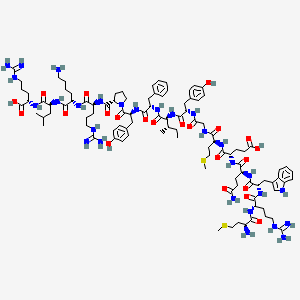
Mechanism of Action
MOTS-C (Mitochondrial Open Reading Frame of the 12S rRNA type C) is a unique mitochondrial-derived peptide (MDP) encoded within the mitochondrial genome. Unlike traditional peptides encoded by nuclear DNA, MOTS-C directly influences cellular metabolism. Its primary mechanism of action involves:
- Enhancing Glucose Metabolism: MOTS-C promotes the uptake and utilization of glucose in skeletal muscle, particularly during periods of metabolic stress. It directly influences the activity of enzymes involved in glycolysis and glucose oxidation, thereby increasing insulin sensitivity and glucose homeostasis.
- Mitochondrial Homeostasis: It plays a role in maintaining mitochondrial health and function, including aspects like mitochondrial biogenesis and protection against mitochondrial dysfunction. This contributes to overall cellular energy balance.
- AMPK Activation: Research indicates that MOTS-C can activate AMP-activated protein kinase (AMPK), a master regulator of cellular energy. AMPK activation leads to increased fatty acid oxidation and glucose uptake, contributing to its metabolic benefits.
- Cellular Stress Response: MOTS-C helps cells adapt to metabolic challenges and oxidative stress, potentially by modulating pathways involved in cellular defense and longevity.
These actions collectively highlight MOTS-C as a key regulator of metabolic flexibility and a potential target for research into metabolic disorders and aging.
Clinical Development & Research Focus
MOTS-C is a relatively newly discovered peptide and is currently the subject of extensive **preclinical research** to understand its full physiological roles and therapeutic potential. Research focus areas include:
- Metabolic Disorders: Primary investigations revolve around its role in preventing and treating metabolic dysfunction, including insulin resistance, type 2 diabetes, obesity, and non-alcoholic fatty liver disease (NAFLD) in various animal models.
- Aging and Longevity: Research explores its potential to promote healthy aging and extend lifespan by improving metabolic health and cellular resilience against age-related decline.
- Exercise Physiology: Studies are examining MOTS-C as a potential "exercise mimetic," exploring whether its administration can replicate some of the metabolic benefits of physical activity, especially in conditions where exercise is limited.
- Neurological and Cardiovascular Health: Emerging research is beginning to investigate its potential protective effects in neurological disorders and cardiovascular diseases, given its broad metabolic influence.
While showing significant promise in animal models, MOTS-C is still in the **early stages of clinical development** and remains purely for research purposes. Human trials, where they exist, are typically very early-phase studies focusing on safety and pharmacokinetics rather than broad efficacy.
Clinical Trial Findings & Efficacy
As of late 2023/early 2024, MOTS-C remains largely a **preclinical research compound**, with limited published large-scale human clinical trial data on its efficacy and safety. The majority of significant findings come from *in vitro* (cell culture) and *in vivo* (animal model) studies.
- Animal Studies Efficacy: In various rodent models of obesity and insulin resistance, MOTS-C administration has consistently shown improvement in glucose tolerance, insulin sensitivity, and reduction of fat mass. It has also been shown to improve exercise capacity in aged mice.
- Early Human Studies (Limited): Very early-phase human trials, or studies on human cell lines, have focused primarily on confirming its presence and activity in human tissues and evaluating preliminary safety and pharmacokinetic parameters. These studies are typically small-scale and are not designed to establish broad therapeutic efficacy.
- Safety Profile: Due to its investigational status, a comprehensive human safety profile for MOTS-C has not yet been established. Any observed effects in research models would need rigorous validation in larger, well-controlled human clinical trials.
Therefore, while preclinical evidence is highly promising, the efficacy and safety of MOTS-C for human therapeutic applications are **not established**, and it is strictly intended for scientific research and not for human consumption or treatment.
Storage and Handling Recommendations
For optimal stability and preservation of MOTS-C, observe the following recommendations:
- Storage: Store lyophilized powder at -20°C to -80°C (long-term) or 2°C to 8°C (short-term, for up to 2-4 weeks), away from light and moisture.
- Reconstitution: Reconstitute with sterile, deionized water or a suitable solvent as per specific experimental protocols. Avoid repeated freeze-thaw cycles.
- Manejo Handle under aseptic conditions to prevent contamination. Use appropriate personal protective equipment (PPE), including gloves and eye protection.
- Stability: Once reconstituted, solutions should be stored at 2°C to 8°C and used within a short period, typically 24-72 hours, depending on the solvent and concentration. Long-term storage of reconstituted solutions is not recommended.
- Disposal: Dispose of MOTS-C and any waste materials in accordance with local and institutional hazardous waste regulations.
Strict adherence to these guidelines will help maintain the integrity and purity of the compound for research applications.
Key Scientific References
Further information on MOTS-C and its research applications can be found in the following scientific literature:
- Lee C, et al. A mitochondrial-derived peptide, MOTS-c, promotes metabolic homeostasis and reduces obesity and insulin resistance. *Cell Metab*. 2015 Feb 3;21(2):182-94. PMID: 25482559 (Original discovery paper)
- D'Souza R, et al. The mitochondrial-derived peptide MOTS-c is an exercise-mimetic. *Nat Commun*. 2016 Dec 14;7:13795. PMID: 27958934 (Research on exercise-mimetic effects)
- Gao C, et al. The mitochondrial-derived peptide MOTS-c in aging and metabolic disease. *Exp Gerontol*. 2018 Oct;111:153-160. PMID: 30080644 (Review on aging and metabolic disease roles)
- Kim H, et al. Mitochondrial-derived peptides: A new class of therapeutic agents. *Life Sci*. 2022 Feb 15;291:120059. PMID: 35081079 (Broader review on therapeutic potential of MDPs)
- Du Y, et al. Therapeutic potential of mitochondrial-derived peptides in metabolic disorders. *Pharmacol Res*. 2023 Jan;187:106606. PMID: 36369049 (Recent review on therapeutic potential in metabolic disorders)
- PubChem Compound Summary: MOTS-C (CID 146675088)
*(Note: References are primarily focused on preclinical and mechanistic studies, reflecting MOTS-C's status as a research compound.)*
Important Compliance Statement
This product, MOTS-C, is sold exclusively for **research and development purposes**. It is classified as a research chemical and is **not a drug, food, or cosmetic**. It has not been evaluated or approved by the FDA or any other regulatory authority for safety, efficacy, or any other use in humans or animals. By purchasing this product, the user acknowledges and agrees to comply with all applicable local, national, and international laws and regulations regarding the handling, storage, and use of research compounds. Any use of this product for purposes other than legitimate scientific research is strictly prohibited and may lead to severe legal and health consequences.
Analytical Validation & Documentation (COA, HPLC, MS)
Each production lot is subjected to rigorous analytical validation to confirm quality, purity, and molecular identity under research-grade standards. Full supporting documentation is available upon request.
- COA (Certificate of Analysis): Includes batch number, purity percentage, traceability of each constituent ingredient, storage instructions, and full QC test results.
- HPLC (High-Performance Liquid Chromatography): Provides chromatographic confirmation of purity and compound homogeneity.
- MS (Mass Spectrometry): Confirms molecular weight and verifies structural integrity of the compound.
- Traceability: Documents are traceable to their respective manufacturing lot and are intended to support reproducibility and transparency in scientific investigation.


Displayed above: Sample Certificate of Analysis – AOD-9604 (3-page image preview)
Storage & Shipping
All of our products are manufactured using the Lyophilization (Freeze Drying) process, which ensures stability during transit and long-term storage. Below are the official recommendations:
- Stability During Shipping: Products are 100% stable for shipping for up to 3–4 months at ambient temperature.
- After Reconstitution: Once reconstituted with bacteriostatic water, the peptide must be stored in a refrigerator and will remain stable for up to 30 days.
- Room Temperature Storage: Lyophilized powder can be safely stored at room temperature until reconstitution, provided it remains sealed and protected from light.
- Refrigerated Storage (Short Term): Store under 4°C (39°F) if not used immediately. Suitable for storage up to several weeks or months.
- Frozen Storage (Long Term): For extended stability (months to years), store in a freezer at -80°C (-112°F).
Note: Avoid repeated freeze-thaw cycles. Always aliquot after reconstitution when necessary. Follow institutional safety protocols for handling all research compounds.
For advanced storage tips and reconstitution guidance, contact us or refer to our extended documentation.