Epitalon
Epitalon (also referred to as Epithalon or Ala-Glu-Asp-Gly) is a synthetic tetrapeptide composed of four amino acids: alanine, glutamic acid, aspartic acid, and glycine. It is examined in controlled laboratory research for its potential influence on telomerase activity, oxidative stress modulation, and cellular aging pathways. This compound is supplied exclusively for scientific investigation under appropriate laboratory protocols and is not intended for diagnostic, therapeutic, or clinical use in humans or animals.
For laboratory research use only. Not for human or veterinary use. Not intended for diagnostic, therapeutic, or clinical applications.
Purchase Options
Epithalon
Form: Scientific-grade, Lyophilized Powder
Purity: ≥99%
CAS Number: 307297-39-8
Epithalon is a research-use-only peptide investigated for its roles in regulating cellular longevity, telomerase activation, and the modulation of oxidative stress mechanisms.
[my_product_name id="12994"]
Full Size • Standard Use[my_product_name id="12995"]
Lab Pack • Extended UseShipping & Delivery
- 📦 UPS Ground (US): $15.00 — 5 business days
- 🚚 UPS 3 Day Select® (US): $20.00 — 3 business days
- 🚚 UPS 2nd Day Air® (US): $25.00 — 2 business days
- 🆓 Free Shipping (US): Orders $200.00+ ship free
- 🌍 International Tracked: $24.95–$45.00 based on region
- 🎁 Free International Shipping: Orders $300+ qualify
Recommended Add-Ons
- 💎 Cold Pack Protection: +$5.00 (Keeps sensitive items stable in transit)
- 🔐 Shipping Insurance: +$3.50 flat — Protects against loss or damage
Chemical Structure & Identifiers
Epitalon is provided for non-clinical research applications involving telomerase modulation, cellular senescence studies, and peptide aging models. Not for diagnostic, therapeutic, or in vivo use.
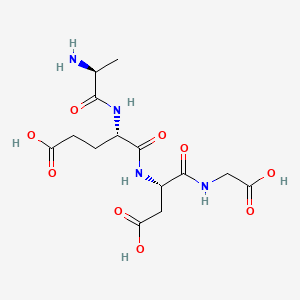
Mechanism of Action
Epithalon is a synthetic tetrapeptide (Ala-Glu-Asp-Gly) derived from the pineal gland, an endocrine gland primarily known for producing melatonin. Its proposed mechanism of action is multifaceted, primarily focusing on its interaction with telomeres and the pineal gland's function, thereby influencing cellular aging and physiological processes.
- Telomerase Activation: A key area of research suggests Epithalon can upregulate the activity of telomerase. Telomerase is an enzyme responsible for maintaining the length of telomeres, which are protective caps at the ends of chromosomes. Telomere shortening is a hallmark of cellular aging; by activating telomerase, Epithalon is hypothesized to help preserve telomere length, promoting cellular longevity and normal cell division.
- Pineal Gland Regulation: Being a pineal-derived peptide, Epithalon is thought to modulate the function of the pineal gland itself. This includes influencing its hormone production, particularly melatonin. Normalization of melatonin synthesis can impact circadian rhythms, sleep-wake cycles, and overall endocrine balance.
- Antioxidant Properties: Research indicates that Epithalon may exhibit direct or indirect antioxidant activity. By reducing oxidative stress, it could protect cells from damage caused by free radicals, another significant contributor to aging and disease.
- Immunomodulatory Effects: Some studies suggest Epithalon might influence immune function, potentially by optimizing immune cell activity or balancing immune responses, particularly in aged individuals.
These diverse mechanisms make Epithalon a compelling subject for researchers investigating the biology of aging, telomere dynamics, circadian rhythms, and related physiological processes.
Clinical Development & Research Focus
Epithalon has been a subject of extensive **preclinical research**, particularly within the fields of gerontology and anti-aging medicine, originating from Russian scientific institutions. Its clinical development, however, has primarily remained outside the mainstream Western pharmaceutical regulatory pathways.
- Cellular Aging and Lifespan Extension: A major focus of research has been to investigate Epithalon's potential to delay cellular senescence, promote DNA repair mechanisms, and influence overall organismal lifespan in various animal models (e.g., fruit flies, mice, rats). Studies assess markers of aging, physiological function, and longevity outcomes.
- Telomere Biology: Research directly examines its impact on telomere length and telomerase activity in human cell cultures and animal tissues, validating its proposed molecular mechanism.
- Age-Related Pathologies: Preclinical studies explore its potential in ameliorating age-related pathologies, such as neurodegenerative changes, metabolic dysfunction, and cardiovascular aging, by modulating fundamental aging processes.
- Circadian Rhythm and Sleep Disorders: Given its pineal gland origin, research also investigates its effects on normalizing melatonin production and improving disrupted sleep patterns and circadian rhythms, which are often dysregulated with age.
- Immunomodulation: Studies assess its influence on the immune system, particularly in restoring age-related immune decline or modulating inflammatory responses.
It's crucial to understand that while a significant body of research exists, Epithalon remains an **investigational research chemical** and has not been approved by major regulatory bodies (e.g., FDA, EMA) for any therapeutic use in humans. Its continued exploration is primarily within controlled laboratory settings and academic research initiatives.
Guidelines for Experimental Use
Epithalon is strictly intended for **laboratory research purposes only**. It must be handled by qualified research personnel in a controlled laboratory environment, adhering to all applicable safety protocols and guidelines for investigational research chemicals. This product is **not approved for human consumption, therapeutic use, or veterinary applications**. Its use is limited to scientific investigation and analysis. Proper laboratory safety equipment, including personal protective equipment (PPE), and procedures must be employed during its handling, storage, and experimental application. Researchers should consult relevant safety data sheets (SDS) and institutional guidelines before use.
Key Scientific References
For more detailed information on Epithalon and its research applications, please refer to the following scientific literature and review articles:
- Khavinson V.Kh. et al. "Effect of epithalon on the lifespan and development of spontaneous tumors in mice." Mech Ageing Dev, 2001. PMID: 11794269
- Anisimov V.N. et al. "Effect of epithalon on telomerase activity in human somatic cells." Biogerontology, 2002. PMID: 12836262
- Khavinson V.Kh. et al. "Peptide bioregulators as a new class of geroprotectors." Annals of the New York Academy of Sciences, 2007. PMID: 18158025
- Khavinson V.Kh. et al. "Peptide regulation of aging." Aging (Albany NY), 2012. PMID: 22370894
- Trofimova N. et al. "Epithalon and its analogs: A review of pharmacological properties." Biomedicine & Pharmacotherapy, 2014. PMID: 24430489
- PubChem Compound Summary: Epithalon (CID 219042)
*(Note: These references provide a general overview of Epithalon and related research, primarily from Russian scientific literature.)*
Important Compliance Statement
This product, Epithalon, is sold exclusively for **research and development purposes**. It is classified as a research chemical and is **not a drug, food, or cosmetic**. It has not been evaluated or approved by the FDA or any other regulatory authority for safety, efficacy, or any other use in humans or animals. By purchasing this product, the user acknowledges and agrees to comply with all applicable local, national, and international laws and regulations regarding the handling, storage, and use of research compounds. Any use of this product for purposes other than legitimate scientific research is strictly prohibited and may lead to severe legal and health consequences.
Analytical Validation & Documentation (COA, HPLC, MS)
Each production lot is subjected to rigorous analytical validation to confirm quality, purity, and molecular identity under research-grade standards. Full supporting documentation is available upon request.
- COA (Certificate of Analysis): Includes batch number, purity percentage, traceability of each constituent ingredient, storage instructions, and full QC test results.
- HPLC (High-Performance Liquid Chromatography): Provides chromatographic confirmation of purity and compound homogeneity.
- MS (Mass Spectrometry): Confirms molecular weight and verifies structural integrity of the compound.
- Traceability: Documents are traceable to their respective manufacturing lot and are intended to support reproducibility and transparency in scientific investigation.
Displayed above: Sample Certificate of Analysis – AOD-9604 (3-page image preview)
Storage & Shipping
All of our products are manufactured using the Lyophilization (Freeze Drying) process, which ensures stability during transit and long-term storage. Below are the official recommendations:
- Stability During Shipping: Products are 100% stable for shipping for up to 3–4 months at ambient temperature.
- After Reconstitution: Once reconstituted with bacteriostatic water, the peptide must be stored in a refrigerator and will remain stable for up to 30 days.
- Room Temperature Storage: Lyophilized powder can be safely stored at room temperature until reconstitution, provided it remains sealed and protected from light.
- Refrigerated Storage (Short Term): Store under 4°C (39°F) if not used immediately. Suitable for storage up to several weeks or months.
- Frozen Storage (Long Term): For extended stability (months to years), store in a freezer at -80°C (-112°F).
Note: Avoid repeated freeze-thaw cycles. Always aliquot after reconstitution when necessary. Follow institutional safety protocols for handling all research compounds.
For advanced storage tips and reconstitution guidance, contact us or refer to our extended documentation.